AI Wealth Concentration: Insights from Larry Fink's Annual Letter
The Core Warning: AI and the Acceleration of Wealth Concentration
In his latest annual investor letter, BlackRock CEO Larry Fink issued a profound warning: the artificial intelligence boom has the potential to drastically deepen global wealth inequality if economic gains remain concentrated among a small group of companies and asset owners.
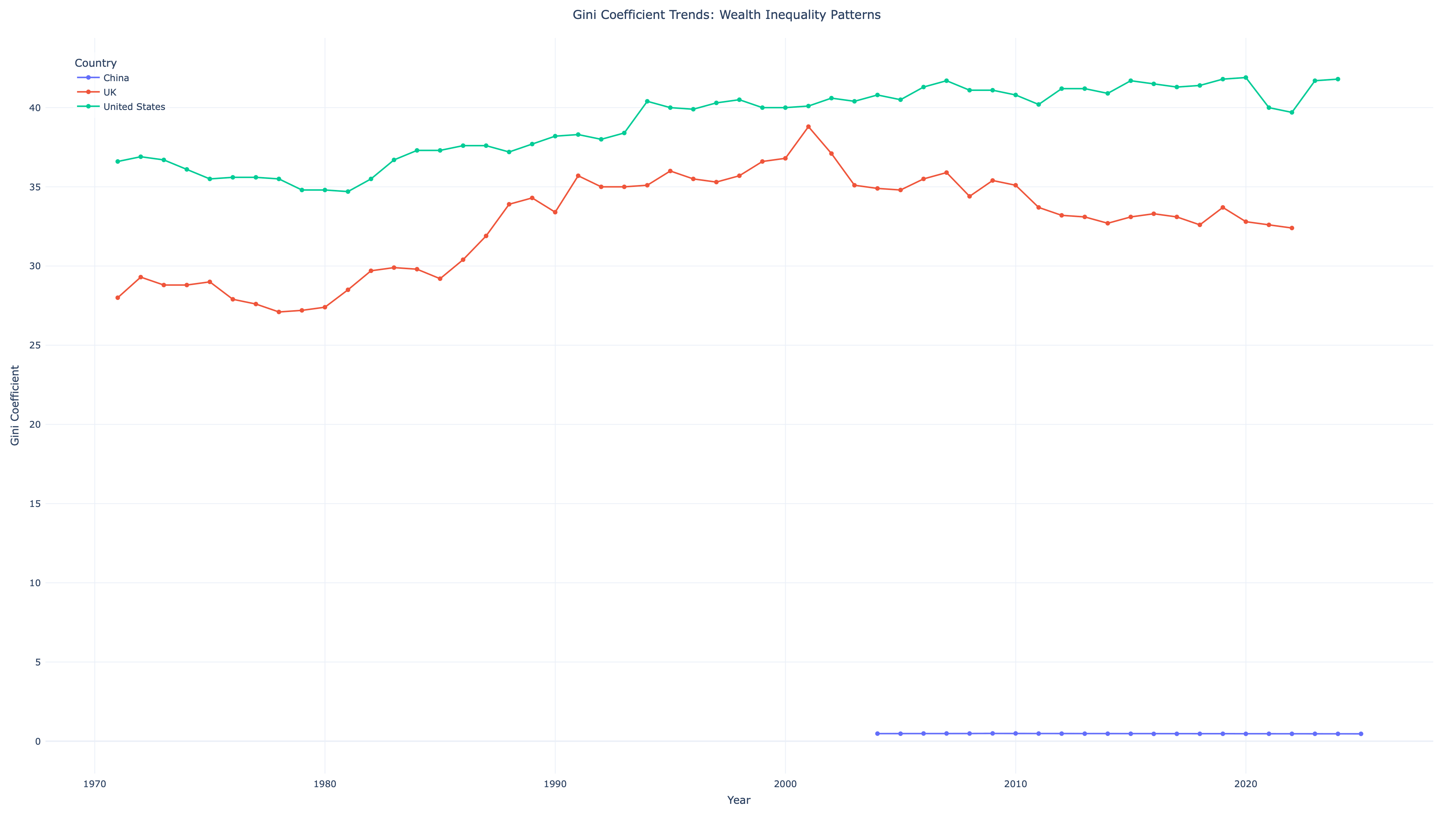
This warning is grounded in stark existing realities. Based on Gini coefficient data, wealth inequality remains stubbornly high in major economies, with the United States hovering around 41% and China's resident income inequality near 47%. Fink argues that today's economic model inherently rewards asset owners more than workers—a pattern that the exponential growth phase of AI threatens to repeat on a scale never before seen.
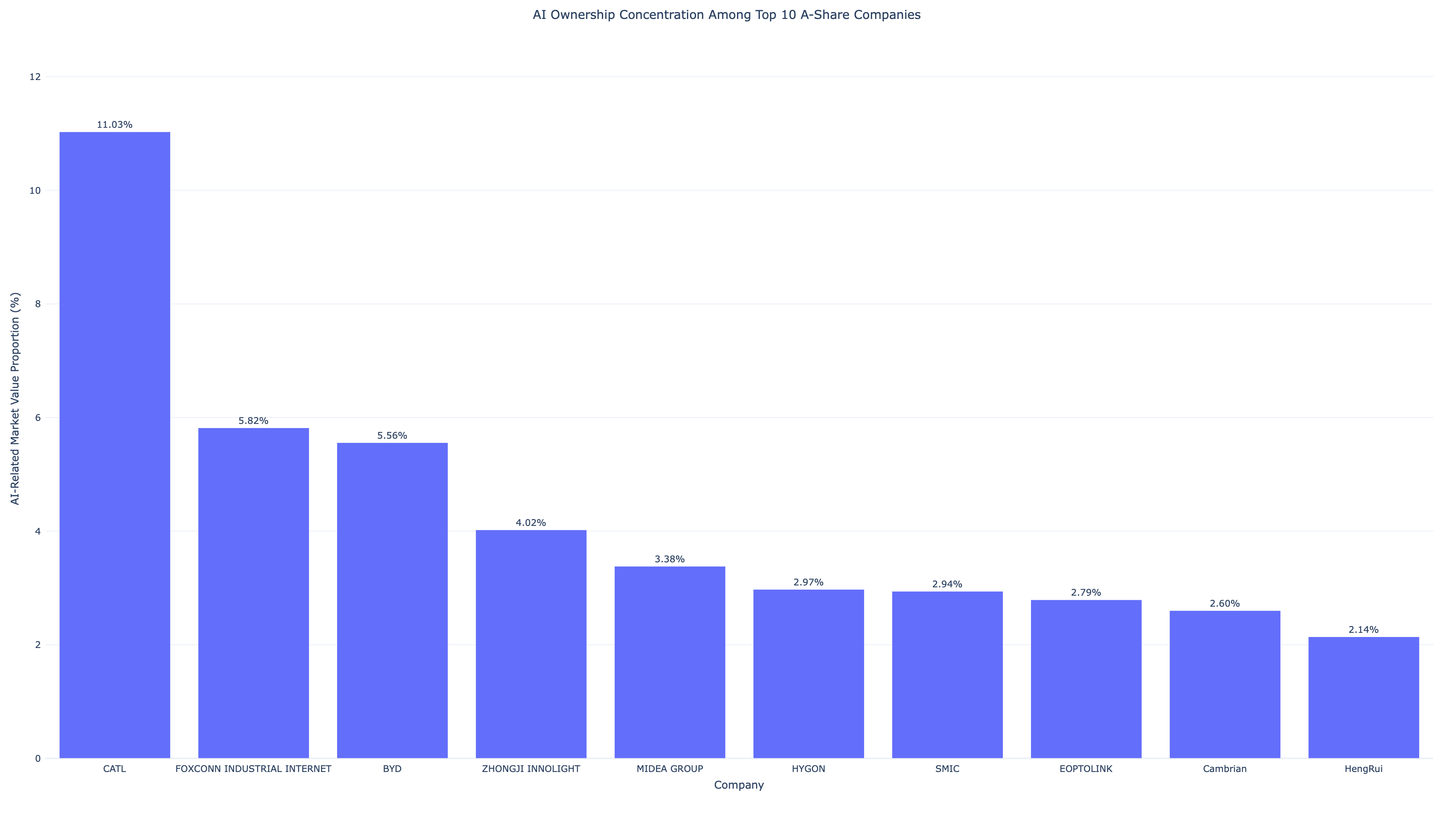
Data on AI ownership concentration already validates these concerns. Among Chinese A-Share companies, for example, Contemporary Amperex Technology (CATL) alone commands 11.03% of total AI-related market value, followed closely by Foxconn Industrial Internet (5.82%) and BYD (5.56%). Globally, institutional holdings in the AI industry recently reached a staggering $7.05 trillion, underscoring the massive capital scale controlled by heavy-weight investors.
Strategic Implications: Geopolitics and Democratic Resilience
Fink’s letter highlights how the fracture of the old global capitalist model intersects with AI in three critical dimensions:
- The Capital-Labor Divide: If technological gains primarily flow to asset owners, capital will disproportionately accumulate among those who already control productive assets, leaving the broader workforce behind. Fink emphasizes that the problem isn't AI itself, but who owns the assets powering it.
- US-China Strategic Competition: AI is now central to global geopolitical rivalry. While this competition drives unprecedented innovation, it risks bifurcating the global economy into parallel technological ecosystems with limited interoperability and divergent governance frameworks.
- Imperiled Democracies: When citizens feel structurally excluded from transformative economic progress, the social contract erodes. Fink warned that worsening inequality directly imperils elective governments, as democratic stability depends on people feeling they hold a genuine stake in their country's future.
Actionable Insights for Investors
To build long-term financial security and navigate these structural shifts, broader participation in capital markets is essential. Investors should actively monitor the following areas:
- Watch AI Ownership Distribution Metrics: Track whether new investment vehicles—such as AI-focused ETFs with lower minimum capital requirements—are successfully broadening retail participation. Regulatory initiatives aimed at democratizing AI investment access will be key growth catalysts.
- Assess Geopolitical AI Strategy Alignment: Evaluate how companies are hedging within the US-China AI framework. Firms that balance exposure across both ecosystems, or provide "AI sovereignty" solutions for smaller nations, may offer strong diversification benefits.
- Monitor Concentration Indicators: Keep a close eye on concentration ratios within critical infrastructure layers: AI hardware (GPUs), cloud hosting, and foundational models. High early-stage concentration could trigger regulatory interventions.
- Evaluate Corporate Governance and Resilience: Assess whether leading AI companies are implementing transparent ethical frameworks and workforce transition plans to mitigate the social risks Fink identified.
Risks and Invalidation Conditions
The trajectory of AI wealth concentration carries systemic risks that could suddenly shift market dynamics:
- Democratic Backlash Risk: If AI-driven inequality accelerates without adequate policy intervention, populist movements with explicit anti-AI or aggressive wealth redistribution platforms could gain significant political traction, threatening to disrupt AI-exposed assets.
- Geopolitical Fragmentation: Escalating US-China tensions could culminate in a complete technological decoupling, crippling global innovation diffusion through inefficient, parallel supply chains.
- Concentration Acceleration: If AI computational costs continue rising exponentially, barriers to entry may become insurmountable for startups, consolidating power among the top 5 tech giants even faster than anticipated.
- Regulatory Overreach: In an attempt to address these inequalities, governments might implement poorly designed regulations that inadvertently stifle innovation in regulated markets, pushing AI development to less-regulated jurisdictions.