FCC's Router Security Regulations: Implications for the Market
Background: Expanding the Covered List to Consumer Routers
The US Federal Communications Commission (FCC) has announced a significant policy shift by expanding its "Covered List" to include foreign-made consumer internet routers. Citing national security concerns, the agency has extended a screening tool traditionally used for core communications infrastructure to mass-market home networking products.
While the new regulation focuses primarily on new foreign-made models entering the market rather than devices already installed in homes, the implications are profound. As BBC analysis highlights, there are almost no major internet router brands currently manufactured in the United States. This scarcity underscores a critical vulnerability: domestic replacement capacity is extremely limited in the near term, making immediate supply chain transitions highly challenging.
Market Context and Commercial Implications
The regulatory expansion simultaneously affects multiple layers of the market ecosystem.
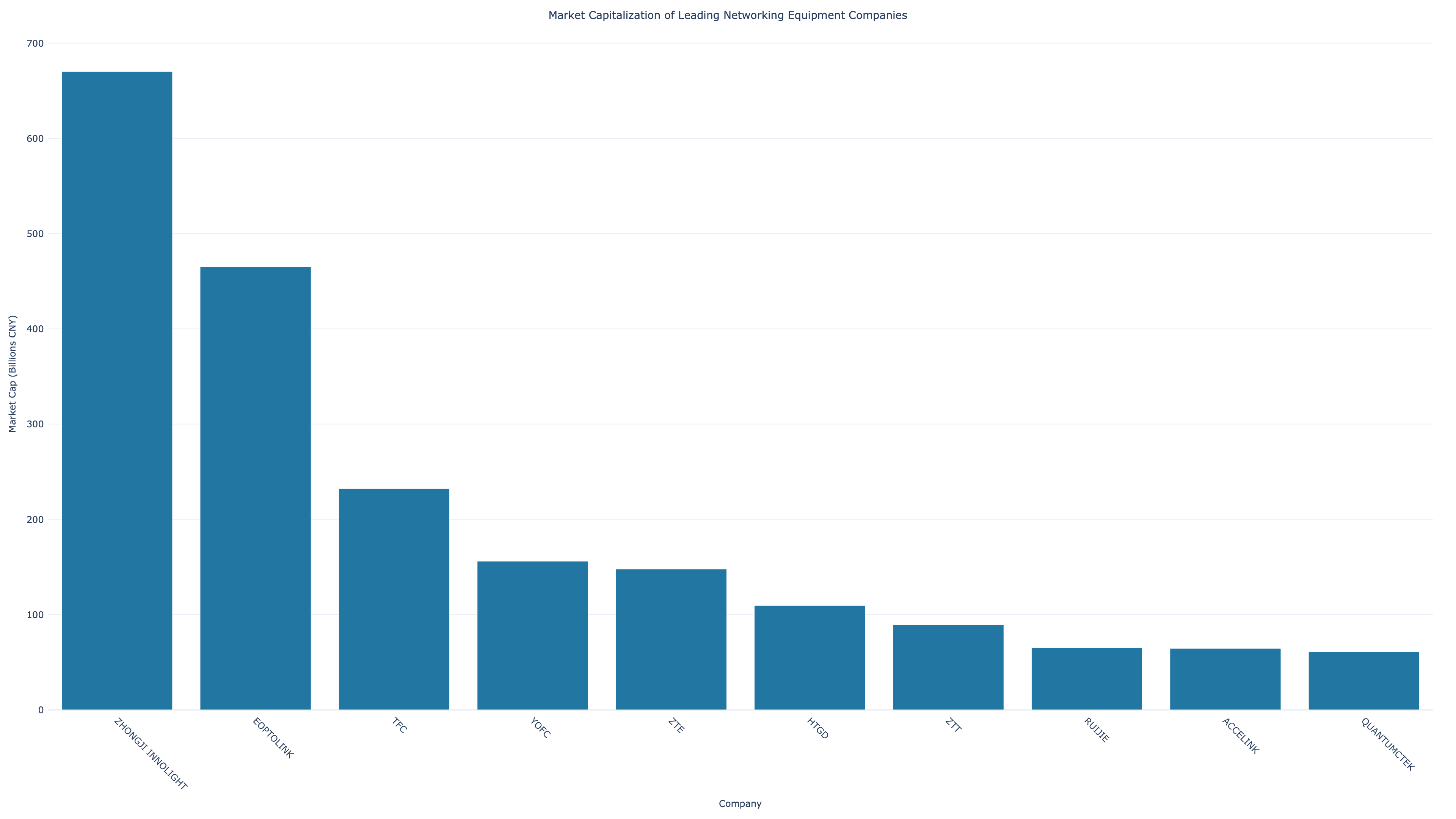
- Manufacturing Vulnerability: The networking equipment sector is heavily reliant on foreign manufacturers. Leading Chinese networking companies, such as Zhongji Innolight (market capitalization of 670 billion CNY) and Eoptolink (465 billion CNY), represent the very supply chain targeted by these new FCC regulations.
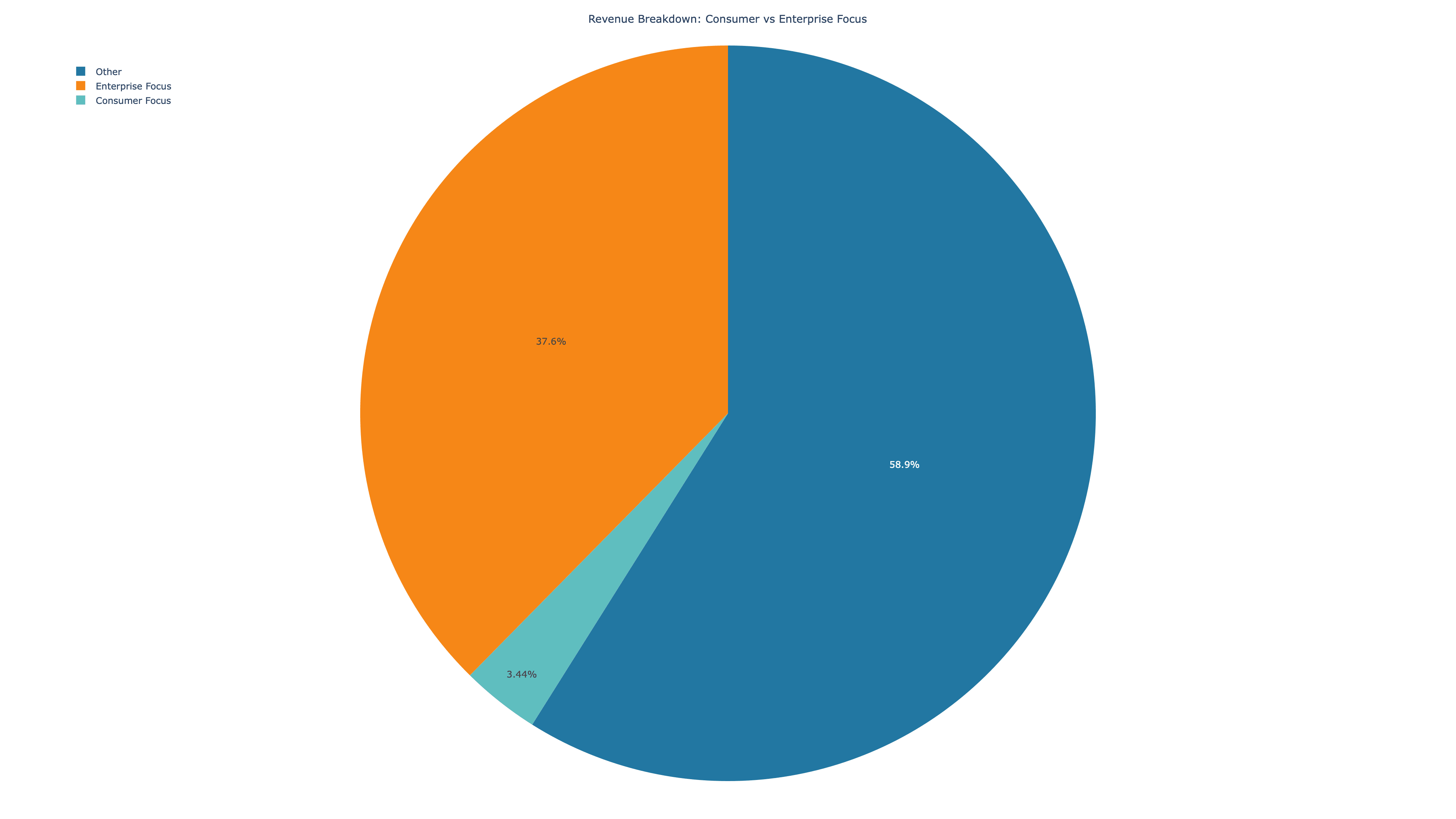
- Revenue Insulation: Interestingly, a revenue focus analysis reveals that many of these major networking equipment companies maintain an enterprise-heavy orientation. While consumer routers are a massive segment, the broader industry's enterprise revenue base may provide a degree of financial insulation against regulations singularly targeting consumer products.
- Channel Exposure: The decision acutely impacts distributors and retailers, who now face constraints on importing and selling new foreign-made hardware. Furthermore, consumers may soon encounter reduced product choices and potentially higher prices as compliance costs and supply bottlenecks emerge.
Actionable Insights for the Industry
To navigate this strategic escalation in technology security policy, industry players must adopt proactive measures:
- Supply Chain Diversification Imperative: There is immediate pressure on US companies to develop or source domestic router manufacturing capabilities. Tech companies must urgently evaluate partnerships with existing US electronics manufacturers or pursue strategic investments in domestic production facilities. Timing is critical, as regulatory frameworks may evolve faster than new manufacturing capacity can be spun up.
- Channel Partner Risk Assessment: Distributors and retailers must conduct thorough assessments of their current inventory and supplier relationships. Those heavily reliant on foreign-made routers need robust contingency plans, exploring alternative sourcing options to circumvent potential future shortages.
- Enhanced Regulatory Compliance: Technology companies operating in the US need comprehensive compliance frameworks for telecommunications equipment. This includes maintaining meticulous documentation of supply chain origins, implementing rigorous security testing protocols, and actively engaging with FCC certification processes.
- Investment Opportunities: This regulatory shift opens doors for venture capital and private equity. Potential areas for investment include domestic networking equipment manufacturing, advanced cybersecurity solutions for consumer routers, and novel alternative technologies capable of bypassing traditional router architectures.
Core Risks and Long-Term Outlook
The FCC's action introduces several immediate and systemic risks to the technology market:
- Supply Chain Disruption: With minimal domestic manufacturing capacity, even partial import restrictions on major foreign router manufacturers could precipitate significant market shortages and price spikes.
- Regulatory Uncertainty: This expansion of national security screening sets a precedent. Companies now face the ongoing risk that additional product categories could be added to the Covered List or existing rules could be applied more aggressively without warning.
- Market Fragmentation: Divergent regulatory approaches globally may force manufacturers to develop bespoke, region-specific products, drastically increasing operational complexity and costs for global technology firms.
- Consumer Impact: Although framed strictly as a national security safeguard, the ultimate burden of this policy may fall on the consumer, leading to delayed access to next-generation Wi-Fi technologies, reduced features, and higher retail prices.